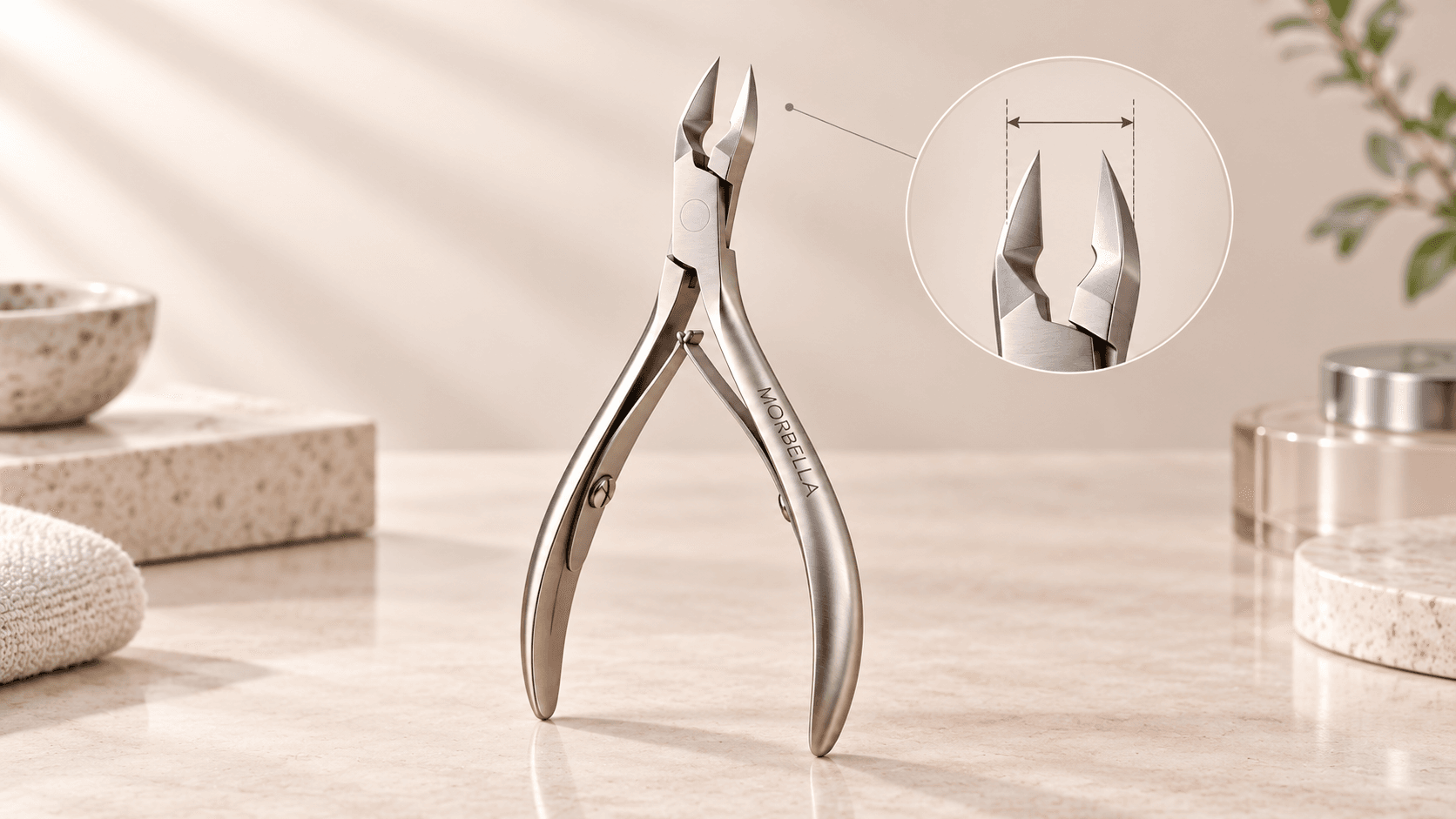


Sample article. General guidance prepared as a starting point — awaiting review by Morbella Instruments. Specifications, finishes and packaging are always confirmed in writing for each order.
Every shipment is a chance to confirm that what arrived matches what was approved. A consistent goods-in routine makes problems easy to spot and repeat orders easy to place.
Before the shipment arrives
- Keep the approved sample (or its photos) and the written quotation to hand — they are your reference.
- Note the quantities, finish, marking and packaging agreed for each line.
Check the paperwork and packaging
- Compare the delivered quantities with the packing list and your order.
- Check outer cartons for damage before opening.
- Confirm the packaging type and any labelling text you specified.
Check a sample of each line
Pick instruments from each line and compare them with your approved reference:
- Pattern: the right instrument and variant (straight or curved, tip or jaw style).
- Function: joints open and close smoothly; ratchets engage and release; tips meet as expected.
- Finish: consistent with the approved sample, with no visible marks or discoloration.
- Marking: your brand or code in the agreed position and legible.
Record anything that differs, with photos, and share it with your supplier promptly.
Storage
Store instruments clean and dry, in their packaging, away from moisture and chemicals. Keep lines and lots separate so each can be traced back to its order.
For end users
Care, cleaning and any reprocessing are the responsibility of the end user and must follow the applicable instructions and their facility's validated procedures. This checklist covers receiving stock only.
Keep one approved reference sample per line. It makes every future repeat order faster to specify and check.
Recording what you find
A simple goods-in log needs only a few columns: date, order reference, line, quantity received, checks done, result and photos. Over time it shows which lines arrive exactly as approved and which need a clearer specification next time.
Raising a discrepancy
If something differs from the approved sample — a wrong variant, a mark in the wrong place, damaged packaging — note the line and quantity, take clear photos next to the reference sample and send them to your supplier with the order reference. Clear evidence makes it quick to agree the next step.
Need help planning a repeat order? Send us your list with your previous references.
- #distribution
- #goods in
- #inspection
- #storage
Questions buyers ask
What should a distributor check when instruments arrive?
Quantities against the packing list, carton condition, packaging and labelling, and a sample of each line against the approved reference for pattern, function, finish and marking.
Why keep an approved reference sample?
It gives you a physical reference for checking deliveries and makes repeat orders faster to specify.
Does this checklist cover cleaning or reprocessing?
No. Care, cleaning and reprocessing must follow the applicable instructions and the end user facility validated procedures.
Next step
Planning an order? Share your patterns, quantities and branding — we reply with questions or a quotation.