Sample article. General guidance prepared as a starting point — awaiting review by Morbella Instruments. Specifications, finishes and packaging are always confirmed in writing for each order.
Grasping and clamping instruments make up a large share of most surgical catalogues. They fall into three families, and each has a few patterns that buyers ask for by name.
Thumb forceps
Thumb forceps are sprung tweezers-style instruments held between thumb and fingers.
- [Adson tissue forceps](/products/adson-tissue-forceps): a broad grip tapering to fine tips, often toothed.
- [Dressing forceps](/products/dressing-forceps): serrated tips for handling dressings and swabs.
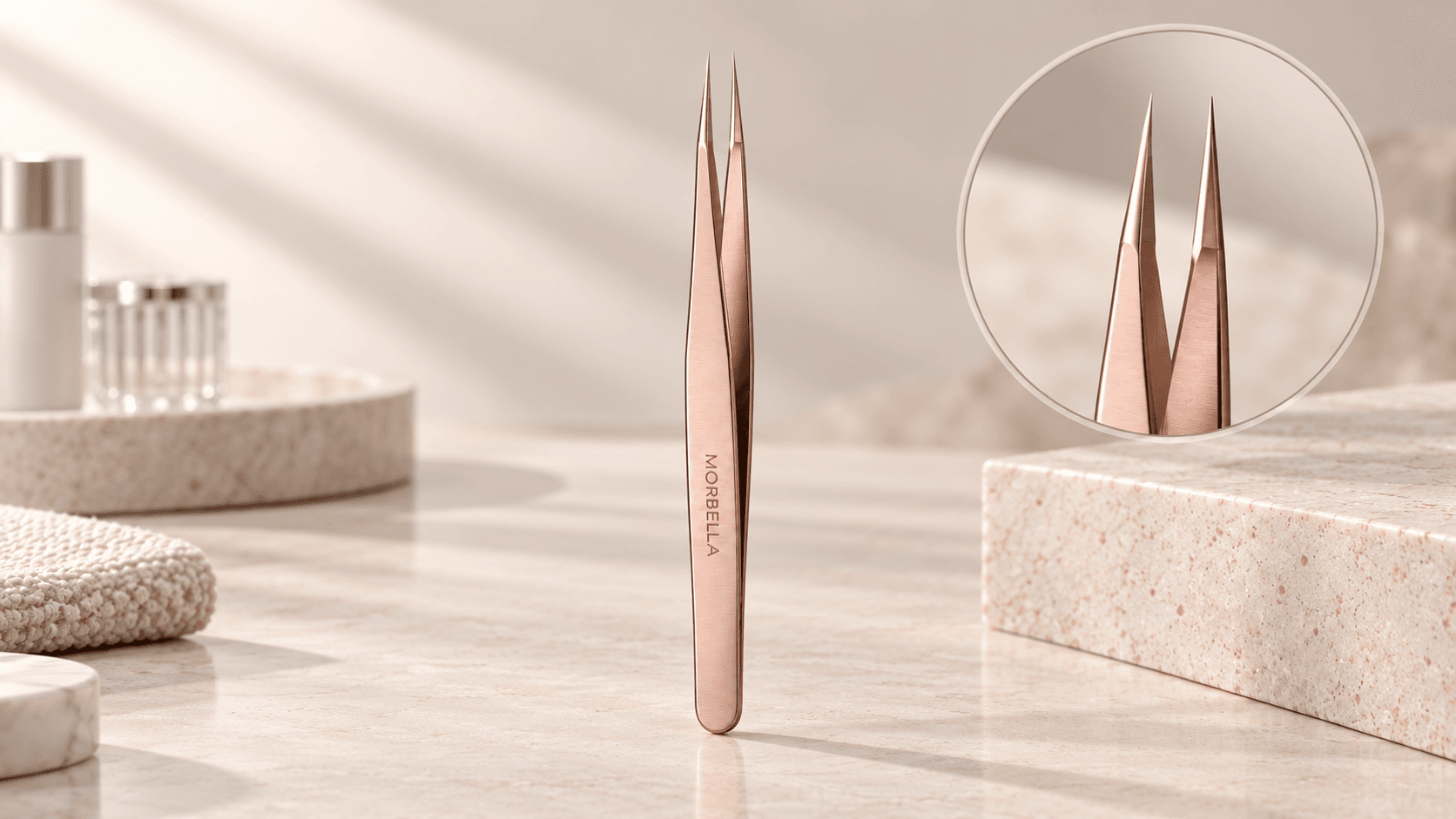
- [Splinter forceps](/products/splinter-forceps): very fine, pointed tips for grasping small objects.
When ordering, specify the tip pattern (serrated, toothed or fine-pointed) and the length.
Hemostats
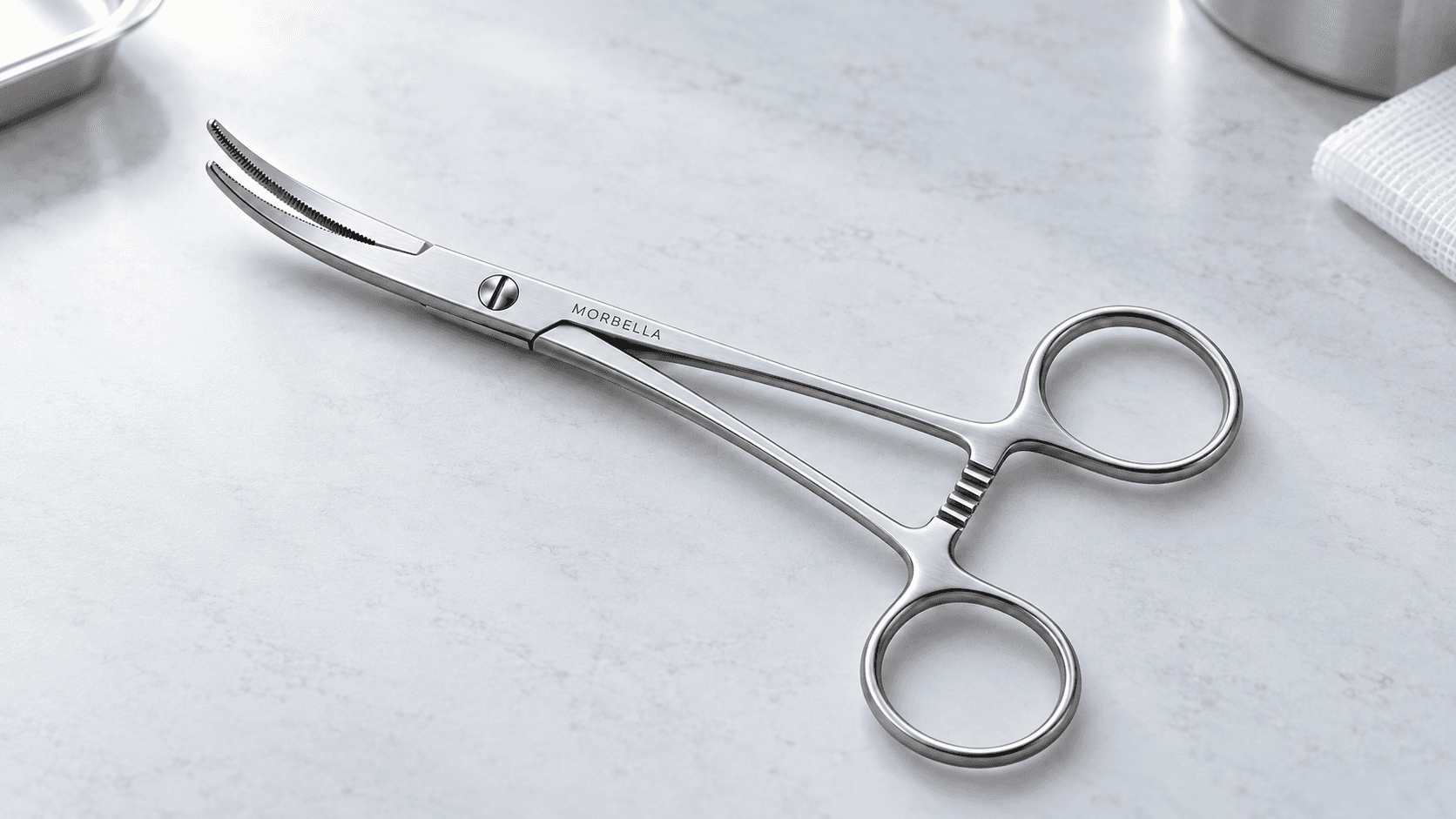
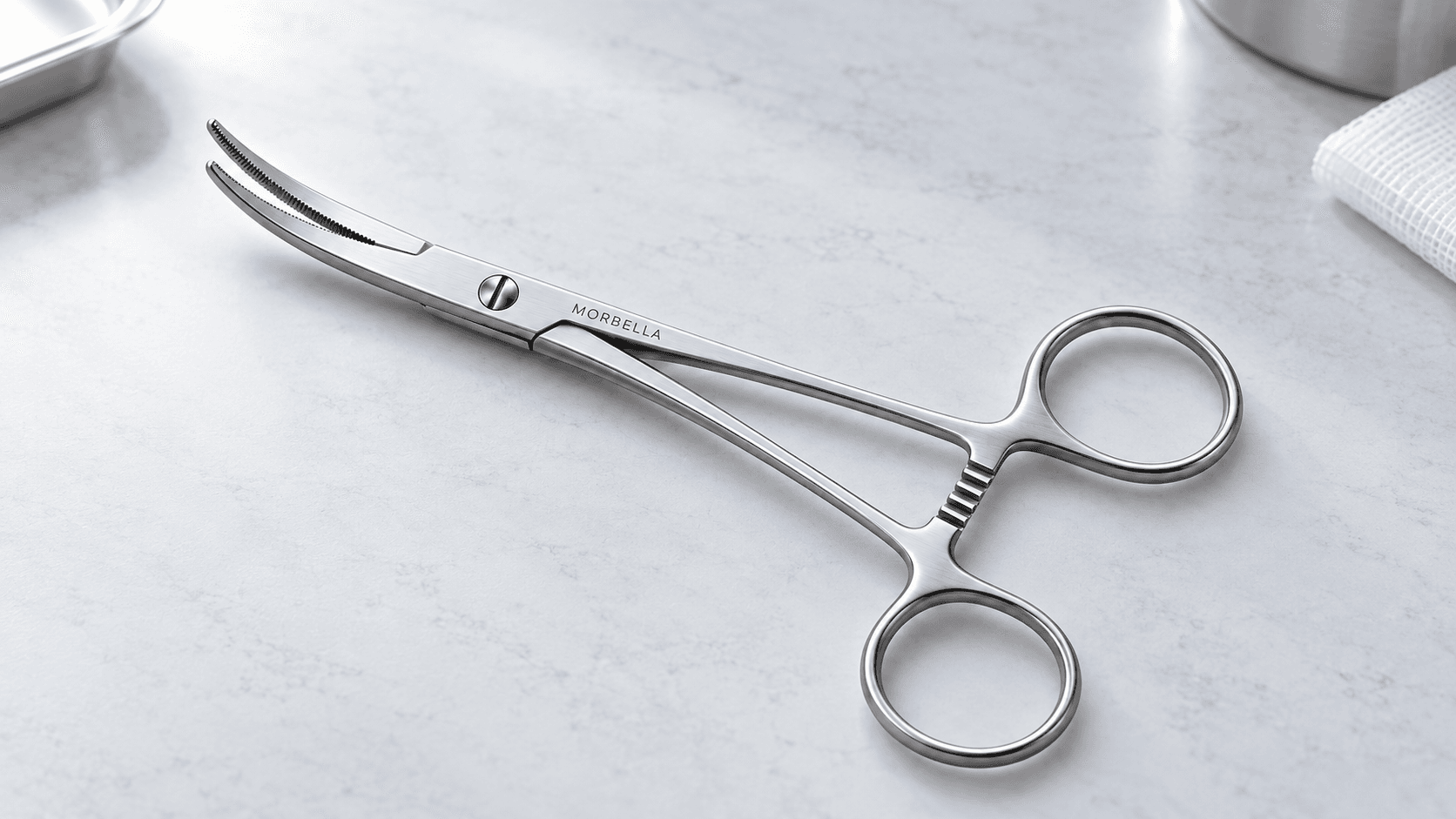
Hemostats are ring-handled clamps with a ratchet lock.
- [Halsted mosquito hemostats](/products/halsted-mosquito-hemostat) are small, with fine jaws.
- [Kelly hemostats](/products/kelly-hemostatic-forceps) are larger, with jaws serrated over part of their length.
- Crile patterns resemble Kelly but are serrated along the full jaw.
Specify straight or curved jaws and the length for each line.
Needle holders
Needle holders such as the Mayo-Hegar pattern also use a ratchet, but have short, sturdy jaws with a cross-hatched surface for holding a suture needle. Specify the pattern, length and jaw style.
A quick comparison
- Need to grasp tissue or dressings by hand? Thumb forceps.
- Need a clamp that locks? A hemostat.
- Need to hold a suture needle? A needle holder.
Jaw style, length, finish and marking are confirmed per quotation. If your market uses a different name for a pattern, include a photo or drawing.
Ordering ratcheted instruments
For hemostats and needle holders, state the pattern, length and jaw shape on every line, and mention whether you need straight and curved versions of the same pattern. If a pattern is known by a different name in your market, include a reference photo — naming varies between regions and catalogues.
Grouping lines for repeat orders
Many distributors group grasping and clamping instruments into a single repeat order: two or three thumb-forceps patterns, mosquito and Kelly hemostats in straight and curved, and one or two needle-holder lengths. Keeping the same references from order to order makes quotations faster and goods-in checks simpler.
Browse forceps and hemostats & needle holders, or send your list.
- #forceps
- #hemostats
- #needle holders
- #buying guide
Questions buyers ask
What is the difference between a hemostat and a needle holder?
Both use a ratchet lock, but needle holders have shorter, sturdier cross-hatched jaws for holding a needle, while hemostats have longer jaws for clamping.
What is the difference between Kelly and Crile hemostats?
Kelly jaws are serrated over part of their length; Crile jaws are serrated along the full length.
Are tissue forceps toothed or serrated?
Tissue forceps such as Adson are often toothed, while dressing forceps are serrated. Specify the tip pattern you need.
Next step
Planning an order? Share your patterns, quantities and branding — we reply with questions or a quotation.